Passenger elevators are essential for modern university campuses, providing seamless movement across multiple floors for students, staff, and visitors. This Guide to Passenger Elevator Installation explains the complete installation process, the types of elevators suitable for universities, and the key benefits for institutions in Islamabad. Following the right procedures ensures that elevators are installed efficiently, safely, and in full compliance with industry standards. With proper planning, universities can make informed decisions regarding elevator capacity, design, and technology. Elevators significantly enhance accessibility, minimize congestion, and improve the overall campus experience. They also support long-term infrastructure value while promoting safe and inclusive mobility. By following this comprehensive guide, universities can implement a reliable system that meets current and future operational needs.
Get Free QuotesWhere Is Islamabad City Located in Pakistan?
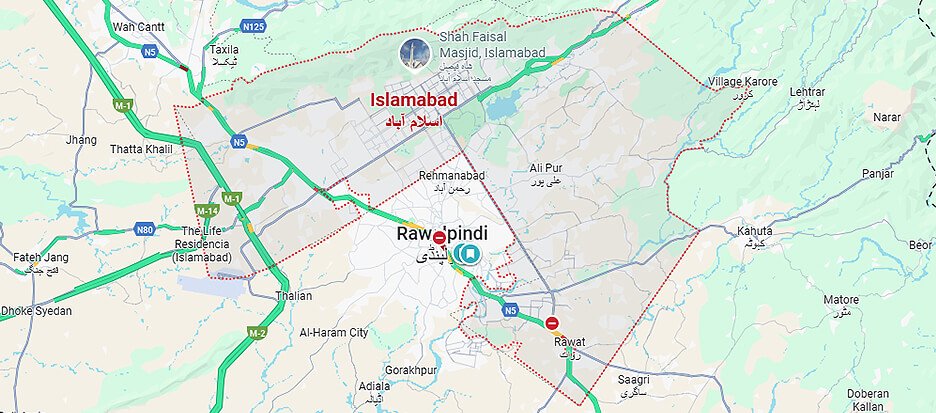
Islamabad is the capital city of Pakistan, strategically located in the northern region at the foothills of the Margalla Hills. It is known for its organized urban planning, green spaces, and modern infrastructure, making it one of the most developed cities in the country. The city hosts numerous educational institutions, government offices, and commercial centers, providing easy access to essential services. Its central location and connectivity through major highways and road networks make commuting simple for residents and visitors. Universities in Islamabad benefit from the city’s safe, well-maintained, and structured environment, making it an ideal location for large educational campuses. The city’s environment also supports the implementation of modern infrastructure projects, including passenger elevators. Islamabad’s combination of safety, accessibility, and urban planning makes it a perfect hub for academic excellence.
Get Free QuotesUnderstanding the Crucial Role of Passenger Elevators in University Campus Infrastructure
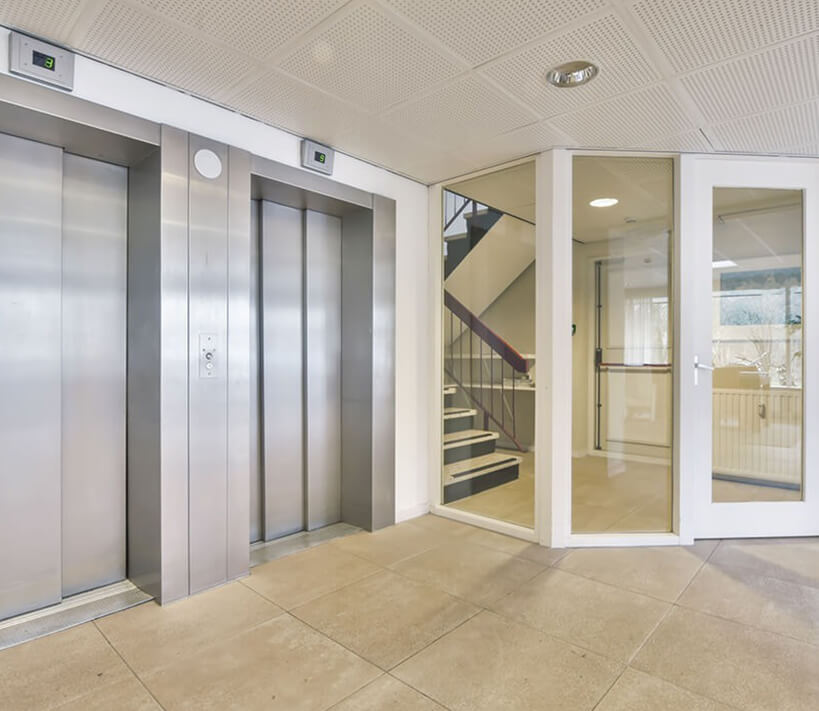
Passenger elevators are a cornerstone of modern university infrastructure, ensuring smooth vertical movement between floors for students, staff, and visitors. They are particularly critical for multi-storey buildings where stairways alone are insufficient for daily traffic. Elevators enhance accessibility for individuals with mobility challenges and improve overall campus functionality. Following a professional guide to passenger elevator installation allows universities to select the most suitable system for their specific needs. Properly installed elevators also support safety standards, reduce congestion, and ensure reliable long-term operation. Incorporating elevators strategically enhances the campus’s usability, efficiency, and inclusivity. Universities benefit from improved operational flow and increased satisfaction among students and staff when elevators are integrated thoughtfully.
1- Improving Campus Accessibility
Elevators significantly improve accessibility across multi-storey university buildings, allowing students, staff, and visitors to reach all areas without difficulty. By reducing reliance on stairs, campuses become more inclusive for individuals with mobility challenges or disabilities. Following a guide to passenger elevator installation ensures elevators are strategically placed in high-traffic areas, making them convenient and easy to use. Proper placement enhances movement efficiency across classrooms, libraries, and administrative buildings. Elevators also improve the overall experience for all users, contributing to student satisfaction and operational efficiency. Well-planned accessibility features support compliance with modern standards and promote a safe and welcoming campus environment. This careful planning ensures every building is accessible and functional for all campus users.
2- Ensuring Safe Movement
Safety is a primary concern when installing elevators in university campuses. Passenger elevators provide a secure and controlled means of vertical transportation, reducing the risk of accidents compared to stairways. Following a guide to passenger elevator installation ensures that elevators meet all regulatory requirements and include essential safety features, such as emergency alarms, intercoms, and fire safety compliance. Regular maintenance and inspections further guarantee the safe operation of elevators. Safety protocols also protect students, staff, and visitors during emergencies or high-traffic periods. Elevators designed with safety in mind improve confidence and trust in campus infrastructure. By prioritizing safe movement, universities ensure their buildings are not only efficient but also secure for daily operations.
3- Efficient Elevator Integration
Proper integration of elevators into university infrastructure is essential for operational efficiency and aesthetic appeal. Elevators should be positioned strategically to serve high-traffic areas, minimizing waiting times and congestion. Using a guide to passenger elevator installation helps campus planners align elevator placement with architectural design and daily usage patterns. Efficient integration ensures elevators complement building layouts while supporting safety and accessibility standards. Well-planned elevator locations reduce crowding and improve the flow of students, faculty, and visitors throughout campus. Thoughtful integration also accommodates future expansion and increased usage over time. This strategic planning ensures elevators contribute to a functional, accessible, and visually appealing campus environment.
Get Free QuotesExploring Different Elevator Types and Their Suitability for Educational Institutions
Selecting the right elevator type is critical for university buildings with varied traffic patterns, floor heights, and user needs. Traction elevators provide speed and efficiency for taller buildings, while hydraulic elevators are suitable for low-rise structures. Consulting a professional guide to passenger elevator installation helps administrators choose the appropriate system, ensuring reliability, safety, and cost-effectiveness. Modern elevators also incorporate energy-saving technologies, smart control systems, and customizable interiors. Choosing the right elevator type enhances user comfort, operational efficiency, and long-term campus infrastructure value. Proper selection allows universities to address current needs while planning for future expansion. This evaluation ensures that the right solution is implemented to meet both functional and aesthetic requirements.
Traction vs Hydraulic Elevators
Traction elevators are ideal for high-rise buildings, providing fast, smooth rides while consuming less energy than traditional systems. Hydraulic elevators are cost-effective for low-rise structures and can carry heavy loads with simpler installation requirements. A professional guide to passenger elevator installation helps administrators assess which elevator type best suits their university’s infrastructure. Choosing the correct system ensures operational reliability, safety, and long-term cost efficiency. Both types offer unique benefits, and proper planning guarantees that the campus has an elevator system optimized for building height, usage, and efficiency. Understanding these differences helps universities implement elevators that meet daily demand and future needs.
Lift Type Compatibility: Traction elevators for high-rise buildings; hydraulic elevators for low-rise buildings.
Rail Design Options: Traction systems use counterweight rails; hydraulic lifts use piston systems.
User Capacity: Traction elevators handle moderate to heavy passenger loads; hydraulic lifts support heavy loads efficiently.
Control Features: Include advanced directional controls and backup power systems.
Safety Mechanisms: Emergency brakes, overspeed governors, and safety interlocks.
Comfort Features: Smooth ride, minimal noise, and stable acceleration/deceleration.
Estimated Cost: 700,000 to 1,400,000 PKR
Choosing Capacity and Speed
Selecting the right elevator capacity and speed is essential for accommodating peak campus traffic efficiently. Overcrowding or slow elevators can lead to delays, congestion, and user dissatisfaction. A guide to passenger elevator installation provides guidance on determining optimal capacity based on student numbers, staff presence, and building layout. Proper capacity planning ensures smooth traffic flow, minimizes waiting times, and enhances the overall campus experience. Elevator speed must match building height and usage frequency to maintain efficiency. Correctly sizing elevators prevents operational bottlenecks, improves safety, and promotes a convenient, comfortable experience for all campus users.
Lift Type Compatibility: Select lifts based on traffic patterns and building height.
Rail Design Options: Reinforced rails for high-capacity lifts; standard rails for smaller lifts.
User Capacity: Determined by peak hour traffic and floor population.
Control Features: Smart scheduling and destination dispatch systems.
Safety Mechanisms: Load sensors, emergency stop buttons, and alarms.
Comfort Features: Quick travel times with stable acceleration.
Estimated Cost: 600,000 to 1,200,000 PKR
Modern Elevator Designs
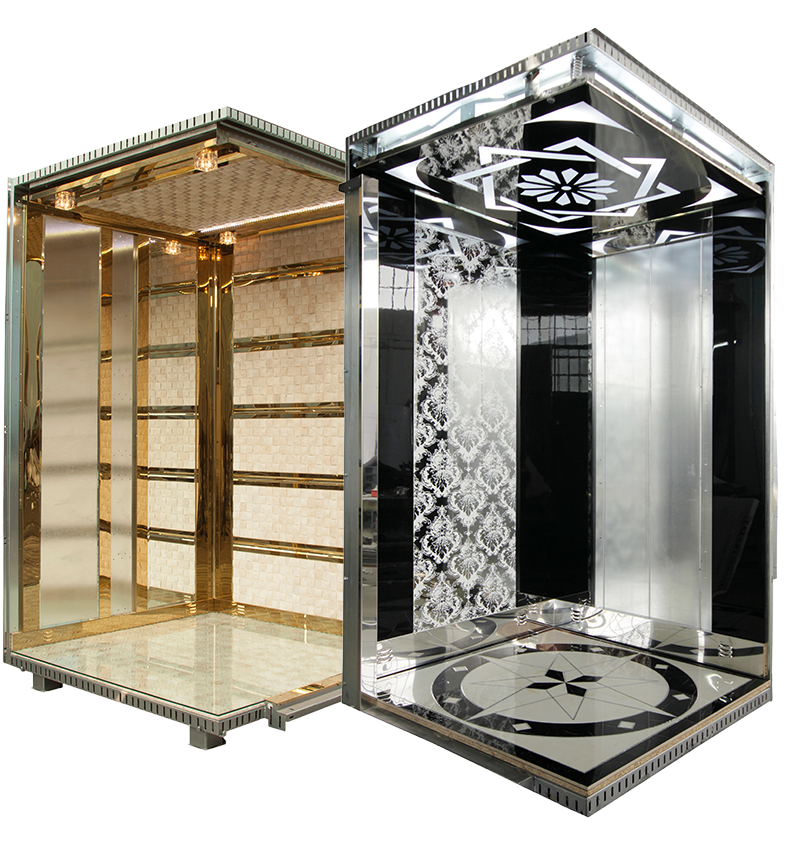
Modern elevators combine efficiency, technology, and aesthetics to enhance campus environments. They include smart control systems, energy-efficient operations, and interior designs tailored to building style. A guide to passenger elevator installation ensures design and functionality meet safety and accessibility requirements. Well-designed elevators provide an enjoyable, reliable experience while improving campus mobility. Customizable interiors, lighting, and finishes add to the visual appeal and usability of each elevator. Advanced features also support energy conservation, operational efficiency, and reduced maintenance requirements. Implementing modern elevator designs creates a professional, welcoming environment for students, staff, and visitors alike.
Lift Type Compatibility: Platform lifts for wheelchairs; chair lifts for seated users.
Rail Design Options: Platform lifts require reinforced tracks; modern lifts often integrate smart rails.
User Capacity: Higher for platform and multi-passenger lifts.
Control Features: Include touch panels, backup controllers, and intuitive interfaces.
Safety Mechanisms: Safety barriers, locking arms, and anti-slip surfaces.
Comfort Features: Spacious cabins, smooth travel, and energy-efficient systems.
Estimated Cost: 1,000,000 to 2,500,000 PKR
| Lift Category | Passengers/ Weight/Size | Category | Condition | Make | Basic Price (G+1) |
|---|---|---|---|---|---|
| Commercial passenger lift electric 630kg | 6-8 persons | Semi Imported | new | Turkey/China | 2,150,000 PKR |
Comprehensive Guide to Passenger Elevator Installation and Its Benefits for Universities
Passenger elevators are essential for improving campus mobility, reducing congestion, and enhancing safety across university buildings. A comprehensive guide to passenger elevator installation helps administrators plan and execute installations effectively. It covers key considerations such as elevator type, capacity, technology features, safety compliance, and post-installation maintenance. Elevators also improve accessibility, making campuses inclusive for all students, staff, and visitors. Properly installed elevators streamline operations, reduce travel time, and improve workflow efficiency. They also enhance campus aesthetics and long-term infrastructure value. Following a professional guide ensures reliability, compliance, and optimized performance for the long-term benefit of the university community.
1- Enhancing Campus Mobility
Elevators significantly improve campus mobility, allowing students, staff, and visitors to move quickly and comfortably between floors. Following a guide to passenger elevator installation ensures elevators are placed in optimal locations to serve high-traffic areas efficiently. Improved mobility supports classroom schedules, library access, and administrative operations. Well-positioned elevators reduce congestion in stairwells, enhance campus accessibility, and create a more functional environment. Efficient vertical transport also encourages better use of facilities across multiple floors. Proper mobility planning ensures that elevators contribute to smooth daily operations and improved user satisfaction.
2- Saving Time Across Facilities
Time management is a critical aspect of campus life, and elevators play a key role in reducing travel times. Properly planned and installed elevators allow students and staff to move quickly between classrooms, laboratories, libraries, and offices. Following a guide to passenger elevator installation ensures elevators operate efficiently and handle peak traffic without delays. Time savings improve academic productivity, administrative efficiency, and overall campus experience. Minimizing travel times also reduces stress and energy expenditure for daily users. Well-planned elevators allow universities to optimize building usage and maintain smooth daily operations across campus.
3- Promoting Safety and Accessibility
Safety and accessibility are essential components of a functional campus elevator system. Elevators provide safe vertical movement, reduce the risk of accidents, and ensure compliance with accessibility standards. A guide to passenger elevator installation guarantees that elevators are designed with safety features such as emergency alarms, fire compliance systems, and backup power. Accessible elevators accommodate students, staff, and visitors with mobility challenges. Promoting safety and accessibility fosters an inclusive and welcoming campus environment. Reliable elevators contribute to user confidence, satisfaction, and the overall operational efficiency of the university.
Get Free QuotesIncorporating Advanced Features in Passenger Elevators for Modern University Buildings
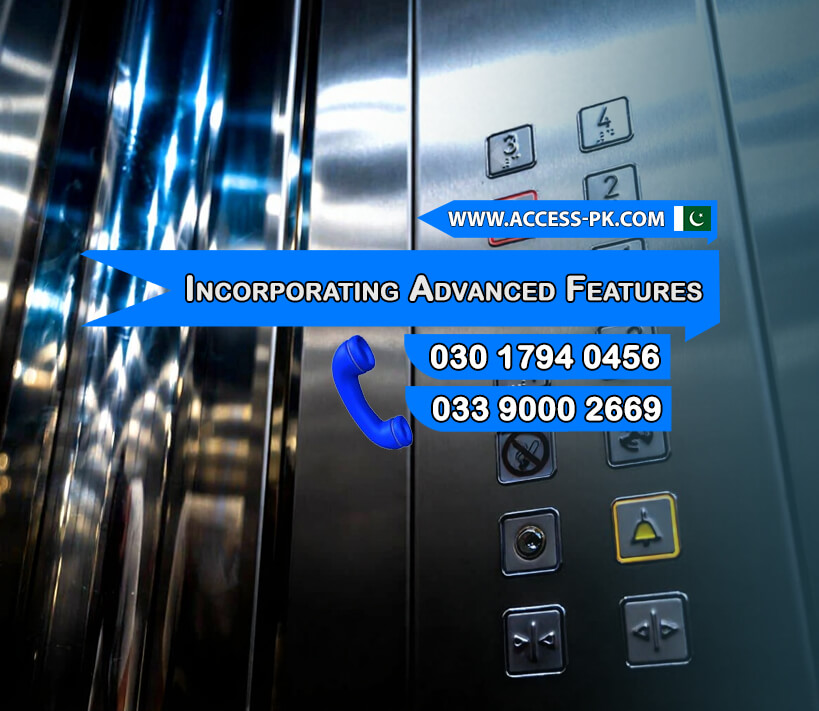
Modern elevators provide advanced features that improve efficiency, safety, and user comfort. Smart systems optimize traffic flow, monitor usage patterns, and reduce energy consumption. Safety features include emergency alarms, fire compliance systems, and backup mechanisms. Following a guide to passenger elevator installation ensures that these features are implemented correctly, meeting regulatory and accessibility standards. Advanced elevators enhance campus usability, reduce maintenance needs, and increase operational efficiency. Universities benefit from technology that supports sustainability while improving daily experience for students, staff, and visitors. Implementing advanced systems ensures elevators are safe, reliable, and future-ready.
1- Smart and Efficient Systems
Intelligent elevator systems monitor usage, manage traffic flow, and optimize energy consumption. Following a professional guide to passenger elevator installation ensures these smart technologies are correctly integrated. Efficient systems reduce waiting times and operational costs while maintaining reliability.
2- Safety and Compliance Features
Elevators are equipped with emergency alarms, fire compliance systems, and safety protocols to protect users. Implementing these features through a guide to passenger elevator installation guarantees adherence to regulatory standards. Proper safety measures improve user confidence and campus security.
3- Accessibility and Interior Options
Custom interiors and accessibility features enhance comfort and usability for all campus users. A professional guide to passenger elevator installation ensures elevators are inclusive and meet accessibility standards. Interior design also supports aesthetics and a positive user experience.
Get Free QuotesAccess Technologies – Trusted Guide to Passenger Elevator Installation Solutions for Universities in Islamabad
Access Technologies provides expert solutions for elevator installation in universities across Islamabad. Their professional services follow a trusted guide to passenger elevator installation, ensuring elevators are safe, reliable, and tailored to campus requirements. Services include planning, installation, and post-installation maintenance to guarantee optimal performance. Universities benefit from expert guidance on elevator type, capacity, features, and compliance with regulations. Advanced systems improve mobility, safety, and accessibility while reducing operational issues. Access Technologies ensures efficient project execution from start to finish. Their trusted approach delivers long-term reliability, improved campus experience, and enhanced infrastructure value.
1- Why Universities Choose Experts
Professional elevator services provide guidance on design, capacity, technology, and regulatory compliance. Following a guide to passenger elevator installation ensures the chosen system meets safety, efficiency, and accessibility standards. Expert services reduce risks and improve project outcomes.
2- Step-by-Step Installation Guide
A structured installation process minimizes disruption to campus operations. Following a guide to passenger elevator installation guarantees each step, from planning to final testing, is executed efficiently. Proper procedures ensure smooth integration with campus infrastructure.
3- Maintenance and Support
Ongoing maintenance and support ensure elevators remain safe, reliable, and operational over time. Following a guide to passenger elevator installation provides universities with best practices for regular checks, repairs, and system updates. Proper maintenance enhances long-term performance and user satisfaction.
Get Free QuotesConclusion
Access Technologies continues to play a vital role in improving mobility and accessibility within universities across Islamabad by providing reliable and high-quality passenger elevator solutions. Their structured Guide to Passenger Elevator Installation helps educational institutions choose the right systems that enhance convenience, support efficient movement, and improve overall campus functionality. With modern elevator technologies—such as energy-efficient motors, smart control panels, and advanced safety mechanisms—universities benefit from smoother traffic flow, better accessibility for students with mobility challenges, and long-term operational reliability. These solutions not only modernize campus infrastructure but also contribute to a safer, more inclusive, and more efficient academic environment.
This ongoing progress is significantly strengthened under the leadership of Imran Rafi, whose commitment to engineering excellence, transparent service standards, and continuous innovation has elevated the reputation of Access Technologies across Islamabad and beyond. His focus on high-quality installation practices, strict safety compliance, and customer-focused support ensures that universities receive elevator systems that align with both operational needs and financial planning. Through improved testing procedures, professional maintenance frameworks, and forward-thinking technological upgrades, Imran Rafi has played a pivotal role in making modern passenger elevator solutions more accessible, dependable, and sustainable for educational institutions. Guided by his vision, Access Technologies remains dedicated to delivering durable, safe, and cost-effective elevator systems that enhance campus mobility and support long-term institutional growth.